Hybrid bike buying guide: comfortable, practical bikes for town and fitness
What a hybrid bike is, who it suits and what to look for, from tyres and gears to the suspension fork question.

Some links on this page are affiliate links. If you buy through one we may earn a small commission, at no extra cost to you. It never changes how we rank. How we make money.
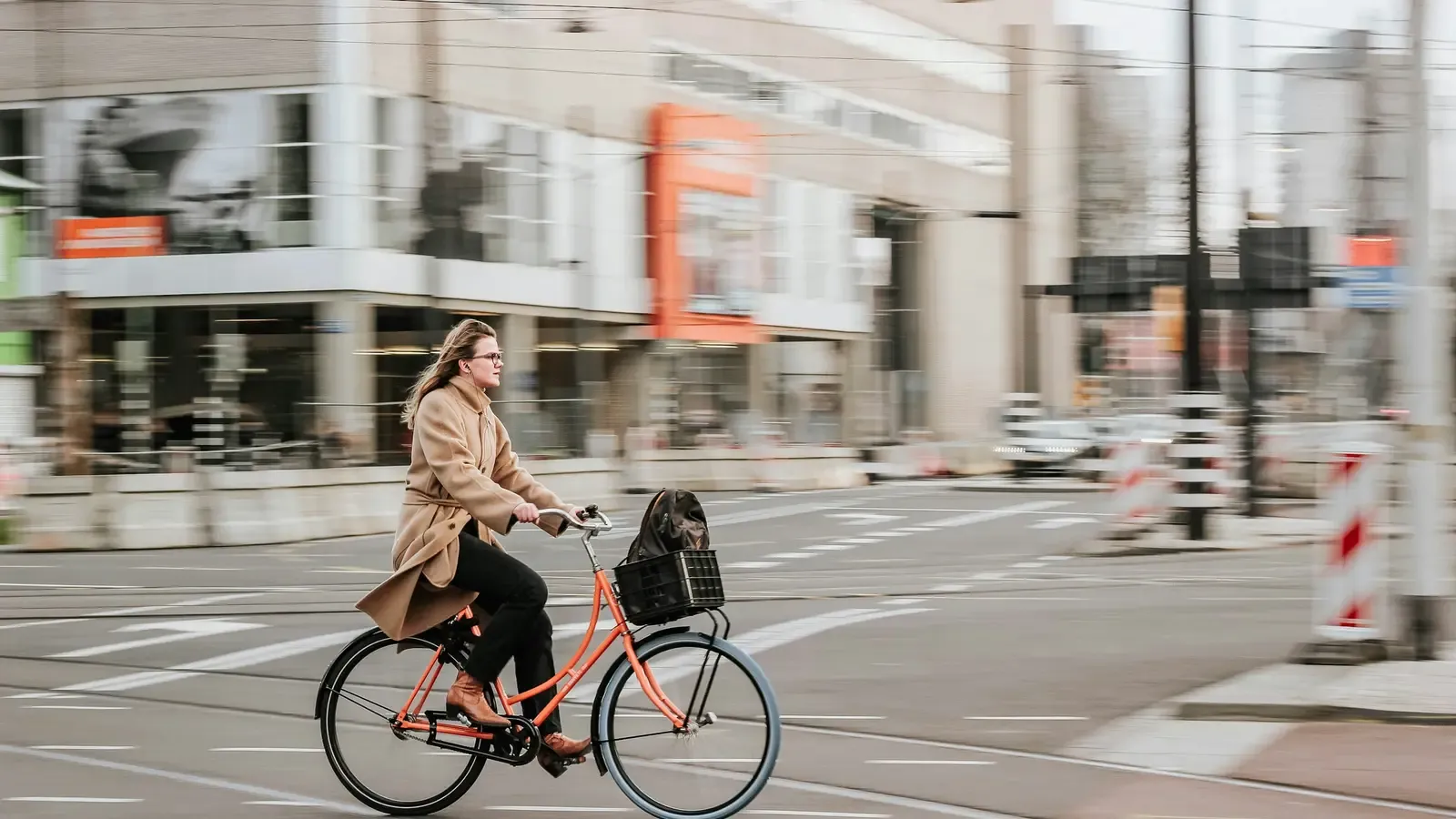
A hybrid takes the light frame and big wheels of a road bike and combines them with the flat handlebars and upright position of a mountain bike. The result is a practical, comfortable bike that suits a huge range of riders.
Who a hybrid suits
A hybrid is a good choice if you:
- commute or ride around town,
- want a bike for fitness rides on roads and cycle paths,
- do not get on with drop handlebars,
- want to see clearly around you in traffic.
If you want to ride longer distances quickly, a road or endurance bike will be faster. If you want to ride rough tracks, a gravel bike or mountain bike will cope better.
Fitness or comfort hybrid
Fitness hybrids are lighter, with a slightly more stretched-out position and narrower tyres. They are quick and feel lively, and suit riders who want to get fit or commute faster.
Comfort hybrids are more upright, often with a wider saddle and sometimes a suspension fork or seatpost. They are relaxed and easy to ride, and suit shorter trips and riders who want comfort above all.
What to look for
Tyres. Wider tyres, around 35mm to 45mm, give a comfortable, stable ride and cope well with potholes and towpaths. Puncture-resistant tyres are worth having for commuting.
Gears. Most hybrids have plenty of gears. What matters is that the easiest gear is easy enough for the steepest hill on your route. Hub gears, where the gears are sealed inside the rear hub, are low-maintenance and great for commuting in all weathers.
Brakes. Disc brakes, especially hydraulic ones, stop well in the wet and need little adjustment. Rim brakes are cheaper and work well, but wear the wheel rims over time.
Mounts. Check for mounts for mudguards and a rear rack. If you commute, these are worth having, even if you do not fit them straight away.
Weight. A lighter bike is nicer to ride and easier to carry up steps or lift onto a rack.
The suspension fork question
Many hybrids come with a suspension fork. On rough tracks it can help, but on roads and cycle paths it mostly adds weight and cost, and cheaper forks can feel bouncy and vague. For most riders, a rigid fork with wider tyres at the right pressure gives a better ride.
Electric hybrids
If you have a long or hilly commute, an electric hybrid might be worth a look. Read our electric bike buying guide for how motors, batteries and the UK rules work.
Getting the size right
Hybrids are often sold in small, medium and large sizes. Use the size chart as a starting point, then check you can stand over the bike comfortably and reach the bars without stretching. Our bike sizing guide has more detail.
More from GearRatio
Trek FX 2 vs the alternatives: the best hybrid bike under £700
The Trek FX 2 is the hybrid a lot of people look at first. We compare it with hybrids from Giant, Specialized and CUBE at a similar price to find the best one to buy.

Basic bike maintenance: the five-minute checks that save you money
Simple checks and jobs anyone can do at home to keep a bike safe, quiet and running well, plus when to hand it to a mechanic.

Bike lights guide: what the law says and what you actually need
The UK rules on bike lights and reflectors, the difference between lights to see and lights to be seen, and how to choose a set.
Further reading from around the web
Pieces we rate from other UK cycling publishers. They open on the publisher's site.
'A major boost to the UK racing scene' – London race to return in 2027 with British Cycling backing, plans to expand to other cities launched (opens Cycling Weekly in a new tab)
The London Nocturne city-centre race is back in 2027 with British Cycling's support, and the organisers want to take the closed-road format to other UK cities too.
Bikes prices continue to rise, but here are 5 budget brands that should be on your radar (opens BikeRadar in a new tab)
Bikes keep getting dearer while the parts on them get cheaper. BikeRadar picks five brands that still give you more bike for your money.
How to save money (and the planet) by buying secondhand, without experiencing buyer's regret (opens Cycling Weekly in a new tab)
A practical guide to buying a used bike. What to check before you hand over any money, where to look, and how to avoid paying for problems you can't see.